The most misunderstood number in piercing is the healing time. Clients hear weeks for an earlobe and months for cartilage and assume the long ones are exaggeration or upselling. They are neither. Different tissues heal at genuinely different speeds, and a piercing is healed from the outside in: the surface calms down long before the channel through the tissue has fully matured. Nearly every piercing problem story begins with someone trusting how a piercing felt at week four instead of how long it actually takes.
This guide gives the standard healing ranges for the common placements, explains why cartilage is slow and lobes are quick, and covers the mistakes that reset the clock. Studios that stock quality jewelry and train their piercers to plan placements, like Family Tradition Tattoo in Mooresville, give these timelines at the appointment. This is the version to plan your swimming, sports, and jewelry changes around.
Why tissue type decides the timeline
An earlobe is soft tissue with a rich blood supply, and blood is the delivery system for everything healing needs. Lobes close their channel in six to eight weeks. Cartilage, the firm tissue of the upper ear, has almost no blood supply of its own; it is fed slowly through the membrane around it. A helix piercing is therefore a six-to-twelve-month project no matter how clean it looks at month two, and it will punish impatience the whole way.
The same logic ranks the rest. Nostril piercings pass through cartilage-adjacent tissue and heal in four to six months. Navel piercings cross a thick fold of tissue that flexes with every bend and waistband, and take nine to twelve months. Septum piercings, placed in the thin soft spot at the front of the nose rather than through cartilage, heal comparatively quickly at three to four months. Your piercer's timeline is anatomy, not caution theater.
| Piercing | Typical healing range | The thing people get wrong |
|---|---|---|
| Earlobe | 6-8 weeks | Changing jewelry at week three because it feels fine |
| Helix and outer cartilage | 6-12 months | Sleeping on it nightly, which keeps it angry for months |
| Nostril | 4-6 months | Touching and twisting it with unwashed hands |
| Navel | 9-12 months | Tight waistbands and early swimming |
| Septum | 3-4 months | Flipping and fiddling with it constantly while it heals |
The mistakes that reset the clock
Changing jewelry early is the classic error. The channel is a raw tunnel for most of its healing period; dragging a new post through it tears the lining, and each tear restarts local healing and invites infection. The second error is sleeping on a healing ear piercing. A pillow presses the jewelry at an angle for eight hours a night, and cartilage responds with the famous irritation bump, which is not an infection but a protest. A travel pillow, with the ear in the hole, is the standard fix.
Touching, twisting, and cleaning too hard form the third group. Hands carry bacteria; leave the piercing alone except for gentle cleaning with saline or the product your piercer specified. Over-cleaning with harsh antiseptics kills healing cells along with bacteria. And swimming in pools, hot tubs, and Lake Norman before the channel seals is the regional classic: natural and treated water both carry bacteria a healing piercing cannot handle. Showers are fine. Submersion waits.
Bumps, irritation, and when to get help
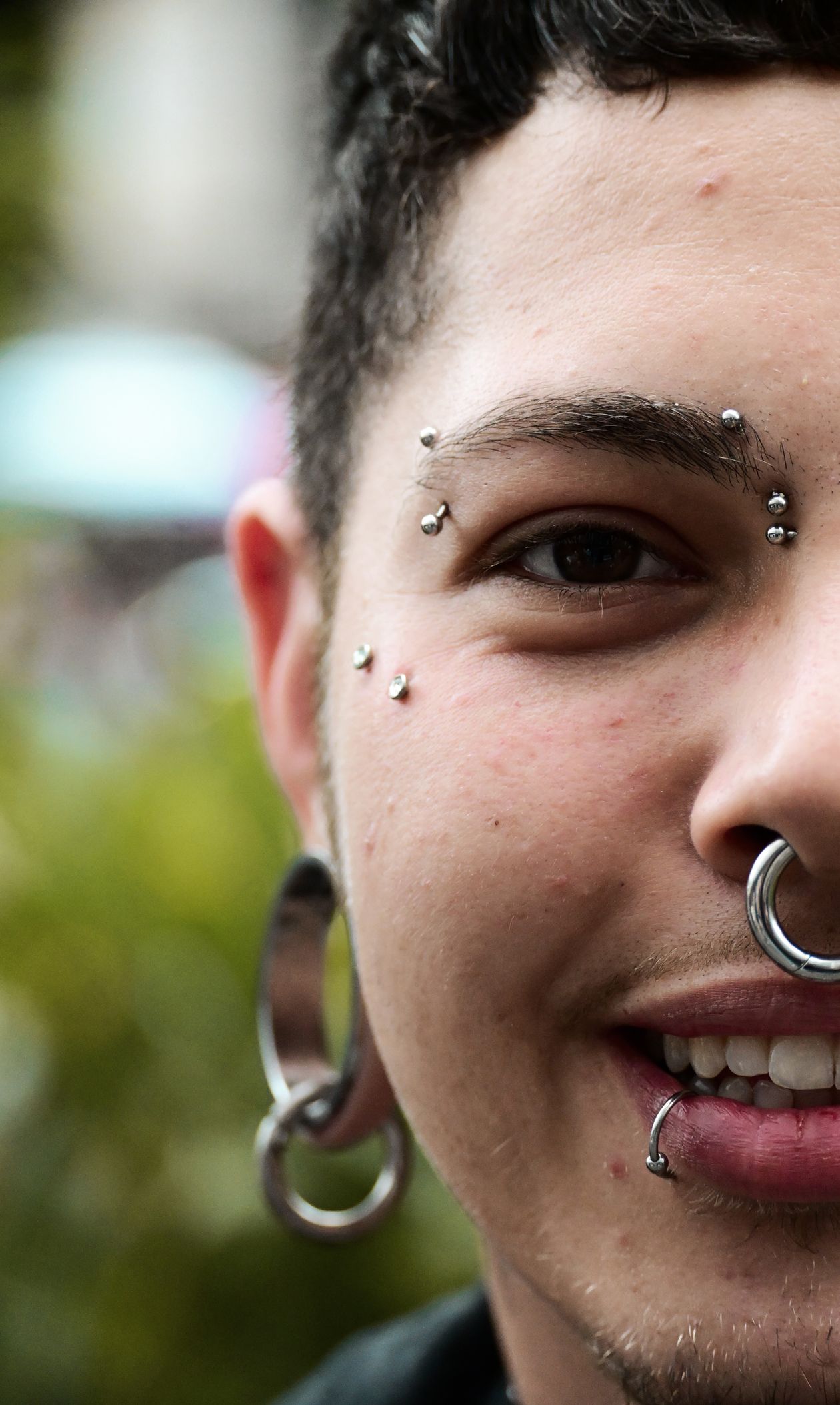
Most piercing trouble is irritation, not infection. Irritation bumps come from pressure, movement, poor jewelry angle, or early jewelry changes, and they resolve when the cause does: better sleeping position, no touching, sometimes a jewelry adjustment by your piercer. This is why the first call for a problem piercing is the studio, not the internet. A piercer can look at the angle, the jewelry length, and the bump and name the cause in a minute.
True infection announces itself differently: spreading redness, growing pain and swelling after the first days, heat, yellow or green discharge, and fever in serious cases. That is a medical visit, and the standard advice is not to remove the jewelry first, since an open channel lets an infection drain while a closed one can trap it. Get seen, then follow the medical advice. The encouraging summary is that piercings healed on the stated timeline, with good jewelry and boring aftercare, rarely produce either kind of trouble.
Common questions
My piercing feels totally healed. Can I change the jewelry early?
Feeling healed and being healed differ by months on cartilage. The channel matures from the outside in, so get your piercer to confirm before the first change.
What is the bump on my cartilage piercing?
Usually an irritation bump caused by pressure, sleeping on it, touching, or jewelry angle. It is not typically an infection. Your piercer can identify the cause and the fix.
Can I swim in Lake Norman with a healing piercing?
Not until it is fully healed. Lake and pool water carry bacteria that a healing channel cannot defend against. Showers are fine; submersion is the thing to skip.
Photos in this guide are representative stock images.
← All guides from Family Tradition Tattoo← Back to Family Tradition Tattoo