A child's first ear piercing is a milestone that parents understandably want done properly: cleanly, kindly, and with jewelry that will not cause the itchy, weeping reactions that cheap starter earrings are famous for. That is why many Lake Norman parents skip the mall kiosk and book a professional piercer instead. At Family Tradition Tattoo in Mooresville, children's ear piercing is offered from age five, performed by piercers trained to make it a comfortable experience rather than a test of bravery.
This guide explains what makes a professional piercing different, how to prepare a child so the day goes well, and the aftercare that gets young ears healed without drama. It also covers the readiness question honestly: the right age is the age at which your child wants it, understands it, and can sit still for thirty seconds, and only you can judge two of those three.
Needle versus gun: why professionals use needles
Mall piercing guns force a blunt stud through the earlobe with spring pressure. A professional piercer uses a sterile, single-use hollow needle that is far sharper, passes through tissue cleanly, and is discarded after one use. The difference shows up in healing: needle-pierced lobes typically heal faster with less trauma, less swelling, and fewer complications. Guns also cannot be fully sterilized, since their plastic parts melt in an autoclave; a needle is sterile out of the package and gone afterward.
Jewelry is the second difference. Studios stock piercing-grade jewelry in metals chosen for fresh piercings and sensitive skin, sized to leave room for normal swelling, with flat, comfortable backs. The decorative studs sold for fashion wear come later, after healing. Starting with the right metal is the main defense against the nickel sensitivity reactions that make so many adults believe they simply cannot wear earrings.
- Ask about the method. Professional piercers use sterile, single-use needles rather than spring-loaded guns, which matters for healing and tissue.
- Check the jewelry. Ask what the starter earrings are made of; quality studios stock proper piercing jewelry in skin-friendly metals.
- Prepare your child honestly. Explain there is a quick pinch, that it is over fast, and that they can change their mind before, not during.
- Both ears, planned. Discuss beforehand whether the piercer does one ear at a time or both in quick sequence, so there are no surprises.
- Learn the aftercare together. Cleaning routine, no twisting myths, and the full healing period before changing earrings.
Preparing your child for the day
Honesty works better than surprise. Tell your child it will pinch briefly, that it is normal to be nervous, and that the piercer will count and be done before the worry peaks. Let them bring a comfort object, plan a small celebration afterward, and never frame it as a bravery test they can fail. A child who decides on the day that they are not ready should be allowed to stop; professional piercers would rather rebook than hold a struggling child, and so should you.
Logistics help the mood. Book earlier in the day when your child is at their best, feed them beforehand, and avoid stacking the appointment after other tiring events. At the studio, the piercer will explain each step, show the equipment, mark the placement for your approval, and check symmetry with the child sitting up straight. That unhurried, explain-everything pace is most of what you are choosing when you choose a professional.
Aftercare for young ears
Healing earlobes takes roughly six to eight weeks, and the routine is simple: clean hands, a gentle saline cleaning as instructed, and otherwise leaving the earrings alone. The old advice to twist earrings daily is outdated; twisting tears the healing channel and introduces bacteria from fingers. Sleeping on the piercings is fine as comfort allows, and hair, hats, and headphones deserve a little care around the fresh jewelry in the first weeks.
Swimming follows the tattoo rule: no pools, hot tubs, or lake swims until healed, since fresh piercings and shared water mix badly. Watch for the real warning signs, spreading redness, increasing pain, swelling that grows after day two, or discharge, and call the studio or a doctor rather than removing the jewelry, which can trap an infection inside. When healing is complete, the jewelry change is its own small ceremony: quality earrings, clean hands, and a child who now knows exactly how well they handled it.
Common questions
What age can a child get their ears pierced professionally?
Policies vary by studio. Family Tradition Tattoo offers children's ear piercing for ages 5 and up, with piercers trained for young clients. Readiness matters as much as the birthday.
Does a needle piercing hurt more than a gun?
Most children report a quick pinch and find the anticipation the worst part. Needles are sharper and pass through more cleanly, so the moment is brief and healing is usually smoother.
When can my child change their earrings?
After the full healing period, roughly six to eight weeks for lobes, and only if the piercings are calm and comfortable. Changing early is the most common cause of irritation.
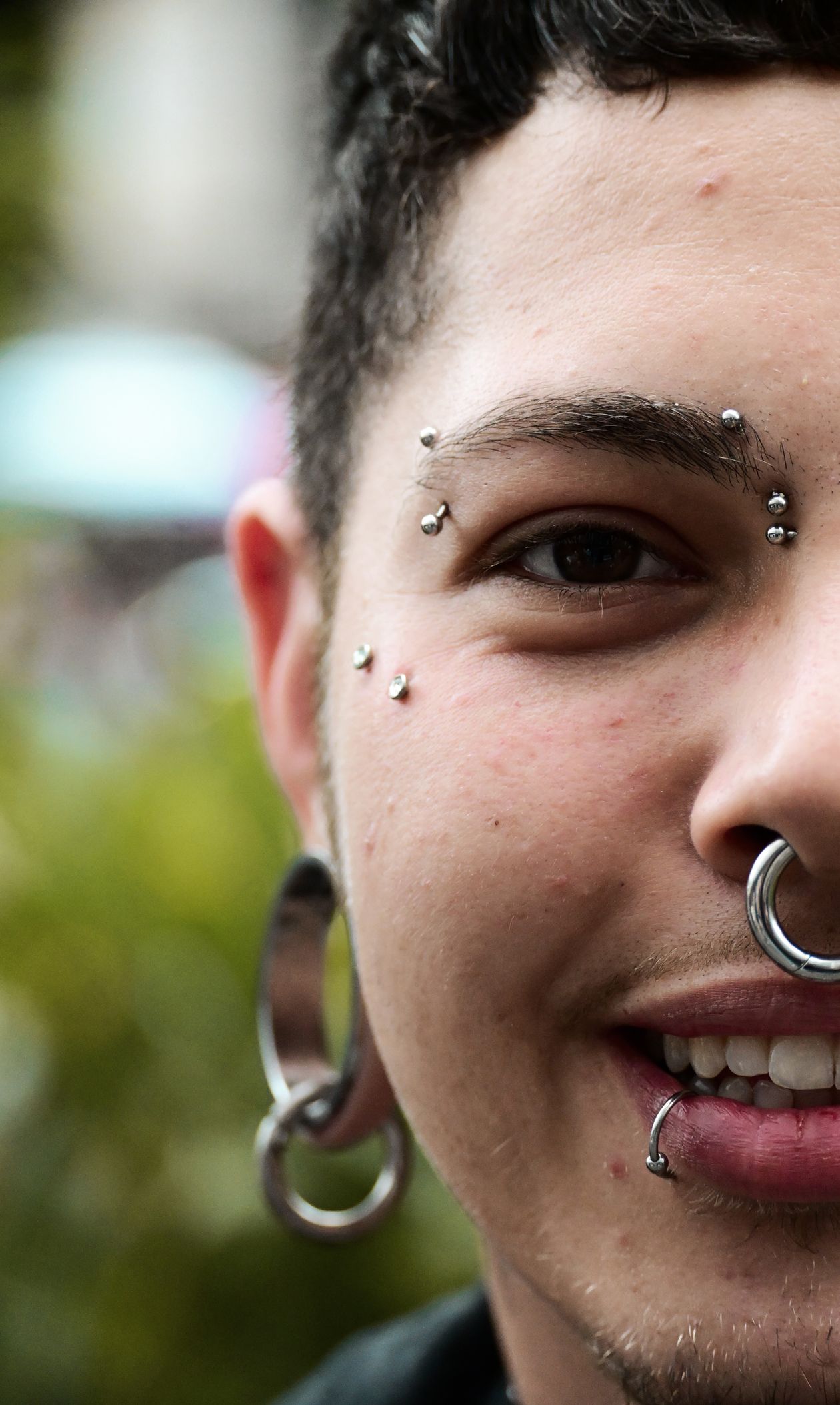
Photos in this guide are representative stock images.
← All guides from Family Tradition Tattoo← Back to Family Tradition Tattoo